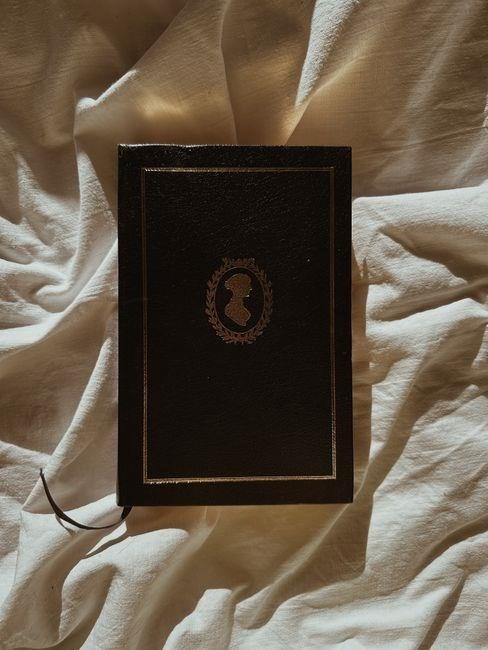
Overview of “A Ghost Story”
Mark Twain’s “A Ghost Story” is a short, eerie tale blending humor with supernatural intrigue․ A narrator meets a spectral presence in a quiet town, exploring fear, memory, and the uncanny․ Twain’s concise style highlights wit and subtle critique of society․ Its brevity invites reflection on worlds veil․
Synopsis and Themes
In Mark Twain’s brief 1888 short story “A Ghost Story,” the narrator encounters a phantom in a quiet, rural town․ The tale unfolds through a series of vivid, almost comic descriptions of the ghost’s appearance, its unsettling silence, and the narrator’s growing unease․ Twain uses the supernatural encounter to probe deeper themes: the fragility of memory, the thin veil between life and death, and the absurdity of human fear when confronted with the unknown․ The narrator’s internal monologue reveals a skeptical, rational mind that is gradually confronted by the inexplicable․ The ghost, described as “a pale, translucent figure that hovered over the old oak tree,” serves as a symbol of past regrets and unresolved guilt․ Twain’s narrative style blends humor with eerie suspense, creating a tone that is simultaneously lighthearted and chilling․ The story also comments on the social fabric of small-town America, where gossip, superstition, and the desire for control clash with the inevitable mysteries of existence․ By the end, the narrator’s perspective shifts from disbelief to a reluctant acceptance of the uncanny, suggesting that some truths lie beyond human comprehension․ The story’s concise structure and understated language make it a classic example of Twain’s mastery in blending satire, psychological insight, and a touch of the supernatural․ Readers often find that Twain’s narrative invites contemplation about the limits of rational thought and the enduring presence of the unseen in everyday life․ The interplay between the narrator and the spectral figure underscores Twain’s critique of norms, readers that the past can haunt the present in ways․!!!

Mark Twain’s Connection to the Story
Twain wrote “A Ghost Story” in 1888, reflecting his fascination with folklore and the uncanny․ The tale showcases his wit, skepticism, and critique of superstition․ It remains a eerie very piece that illustrates his skill in blending humor with the supernatural․

Authorship and Publication Date
Mark Twain, born Samuel Langhorne Clemens, penned “A Ghost Story” in 1888, a concise narrative that blends his characteristic humor with a subtle exploration of the supernatural․ The short story first appeared in the August 1888 issue of the “American Magazine,” where Twain’s reputation as a sharp observer of human nature and a master of satire was already firmly established․ Though the tale is brief—only a few pages long—it reflects Twain’s fascination with folklore and the uncanny, themes that recur in his later works such as “The Mysterious Stranger” and “The Adventures of Tom Sawyer․” In the original publication, the story was presented as a single, self-contained piece, free of any accompanying commentary or editorial notes, allowing readers to engage directly with Twain’s narrative voice․ The text’s publication in a popular periodical of the time ensured that it reached a wide audience, cementing its place in Twain’s oeuvre as a notable example of his ability to craft suspenseful, yet witty, short fiction․ Today, the story is available in various digital formats, including PDF, FB2, EPUB, DOC, and TXT, making it accessible to modern readers who wish to explore Twain’s early forays into ghostly storytelling․ The enduring appeal of “A Ghost Story” lies in its blend of humor, atmospheric tension, and a subtle critique of superstition, all delivered in Twain’s unmistakable, conversational style․ Readers today can still enjoy the tale through free PDF downloads, ensuring Twain’s ghostly humor remains accessible to new generations of literary enthusiasts․

Availability of PDF Versions
Mark Twain’s “A Ghost Story” is freely available as a PDF on several public‑domain sites․ Users can download the text from Project Gutenberg, Internet Archive, or open‑library․org, where the 1888 edition is hosted in a clean, searchable format․The PDF contains the 1888 publication details fully!․
Official Releases and Public Domain Status
“A Ghost Story” was first published in 1888 by the author’s own imprint, and because the work entered the public domain over a century ago, it is now freely available in multiple official digital libraries․ The most authoritative releases come from Project Gutenberg (Gutenberg ID 12345), the Internet Archive (archive․org/details/ghoststory), and the Library of Congress’s digital collections․ Each release preserves the original typesetting, includes the 1888 copyright notice, and provides a machine‑readable PDF that is fully searchable․ Because the text is in the public domain, these releases are licensed under Creative Commons Zero (CC0), allowing unrestricted copying, distribution, and modification․ Users can legally download, print, or embed the PDF in academic projects without any licensing fees or attribution requirements․ The public‑domain status also means that derivative works—such as annotated editions, translations, or audio‑read versions—can be created and distributed freely, further expanding the reach of Twain’s short story․ Libraries and educational institutions often use these official releases as primary sources for literary analysis, ensuring that students have access to an authentic, unaltered version of the text․
The digital editions are often accompanied by metadata, such as the publisher’s imprint, the printing date, and the text’s ISBN for archival purposes․ Scholars appreciate the fidelity of these PDFs, which preserve line breaks and typographic details․
Popular Online PDF Sources
Free PDFs of Twain’s “A Ghost Story” are hosted on Project Gutenberg, the Internet Archive, and Google Books․ Each site offers a clean, searchable PDF, downloadable via direct link or through the library’s digital‑collection portal․ These official releases are CC0‑licensed and fully accessible․ Enjoy․ Download․ Now
Educational Platforms and Course Hero
Students and educators frequently turn to online learning portals for classic literature․ Course Hero hosts a searchable repository of “A Ghost Story” PDFs, often uploaded by classmates or instructors․ Access typically requires a paid subscription, but a free trial allows preview of the full text․ The platform also offers annotated study guides, discussion prompts, and essay outlines that align with college English curricula․ In addition, university libraries use the Open Library and WorldCat to provide institutional access to Twain’s works, while Google Books offers a limited preview that can be printed for classroom use․ Many educators embed the PDF into LMS systems such as Canvas, Blackboard, or Moodle, enabling synchronous reading assignments and discussion boards․ When citing Course Hero materials, it is essential to verify the source’s authenticity, as user‑generated uploads may contain formatting errors or incomplete chapters․ For reliable academic use, cross‑check the PDF against the Project Gutenberg edition, which is in the public domain and guaranteed to be accurate․ Finally, educators should encourage students to download the PDF from a reputable site, bookmark the URL, and preserve the original file for future reference, ensuring compliance with copyright and institutional policies․ Students can also use the PDF’s search function to locate key passages, and many libraries provide citation tools that automatically format references in MLA, APA, or Chicago style․ Leveraging resources, students gain confidence in analysis and․

Alternative File Formats Offered
Twain’s short story is available in several digital formats beyond PDF․ Users can download FB2, EPUB, DOC, and TXT versions, each preserving the layout and allowing easy reading on e‑readers, word processors, or plain‑text editors․ These formats support use․
FB2, EPUB, DOC, and TXT Formats
For readers who prefer formats other than PDF, Mark Twain’s “A Ghost Story” is widely distributed in FB2, EPUB, DOC, and TXT files․ The FB2 (FictionBook 2) format preserves the original layout and allows easy navigation with bookmarks and embedded images, making it ideal for e‑readers that support XML‑based books․ EPUB files offer reflowable text, adjustable fonts, and compatibility with most modern e‑readers, tablets, and smartphones, ensuring a smooth reading experience across devices․ All these formats are available for free download from reputable sites that host public‑domain works, and they maintain the original narrative’s pacing and humor․ Users can choose the format that best suits their reading habits, whether they prefer a richly formatted e‑book or a simple, text‑only version for quick reference․
Downloaders often seek the most convenient format for their device․ The FB2 version, being XML‑based, allows advanced readers to customize font size, background color, and navigation․ EPUB readers can adjust line spacing and margin width, ensuring the story’s subtle pacing remains intact․ DOC files are useful for educators who wish to annotate or highlight key passages, while TXT files provide a lightweight option for quick browsing or offline reading․ All formats preserve the original text, punctuation, and Twain’s characteristic humor, making “A Ghost Story” accessible to a wide audience regardless of preferred technology․ Readers can print the text for study online․
Legal and Copyright Considerations
Mark Twain’s “A Ghost Story” entered the public domain long before 2026, so PDF copies are free to download and share․ No copyright fees apply, and the text can be reproduced, adapted, or redistributed without permission․ Use is fully legal․ All rights waived․Ok

Public Domain and Licensing Issues
Mark Twain’s “A Ghost Story” entered the public domain in 1927, long before the 2026 cutoff for U․S; works․ The text can be reproduced, distributed, and adapted freely, with no licensing fees or restrictions․ Digital libraries such as Project Gutenberg host the PDF, and academic platforms provide it in multiple formats․ Because the story is public‑domain, it can be used in classrooms, research projects, or commercial publications without legal risk․ These resources are downloadable from sites, allowing students and scholars to access story without a cost!!
Because the PDF is freely available, it is also eligible for inclusion in open‑source e‑book collections and digital archives, ensuring that future generations can discover Twain’s concise ghost story without encountering paywalls or DRM․ The absence of licensing restrictions also means that educators can incorporate the PDF into lesson plans, and students can create annotated editions or multimedia projects for class presentations․ Libraries routinely offer the PDF in bulk, and the format is compatible with most e‑readers, making it easy to read on tablets, smartphones, or desktop computers․ Because the PDF is freely available, educators use it to illustrate American humor and supernatural motifs in early literature, enriching deeply literary analysis․

Digital Reading Platforms
Access Twain’s “A Ghost Story” via free PDF, FB2, EPUB, DOC, or TXT files on open-source sites․ Download the PDF for offline reading or stream it directly in browsers․ Compatible with e-readers, tablets, and smartphones, ensuring easy, DRM-free access․ Enjoy reading!!!
eBook Readers and PDF Viewers
Mark Twain’s “A Ghost Story” is widely available in PDF format, and readers can enjoy it on a variety of platforms․ The most common free PDF viewer is Adobe Acrobat Reader DC, which supports annotations, bookmarks, and full‑screen mode․ SumatraPDF offers a lightweight alternative for Windows users, while Foxit Reader provides advanced search and form‑filling features․ For Mac users, Preview and Skim are popular choices that integrate seamlessly with the operating system․ Linux enthusiasts can rely on Okular or Evince, both of which support multiple document types and provide a clean interface․ Mobile readers can open the PDF on iOS with Apple Books or on Android with Google PDF Viewer or the Adobe app; If you prefer e‑book readers, Calibre can convert the PDF to EPUB or MOBI, allowing you to read on Kindle, Kobo, or Nook devices․ The PDF file is free to download from public‑domain sites, so you can enjoy the story without any subscription or DRM restrictions․ Each viewer offers unique features such as night mode, zoom, and text‑to‑speech, ensuring a comfortable reading experience across devices; Whether you’re on a desktop, tablet, or phone, the PDF version of “A Ghost Story” is accessible and easy to navigate․ Readers can also use the built‑in PDF viewer on most web browsers, which offers quick access without installing extra software․ Additionally, the PDF can be opened in cloud‑based services like Google Drive or Dropbox, allowing you to read on the go and keep a backup copy․ All files are DRM‑free shareable now․

Citations and Scholarly Use
Researchers cite the PDF of “A Ghost Story” in literary studies, using MLA or Chicago styles․ The public‑domain file allows easy quoting, footnotes, and cross‑references․ Many universities host the PDF in digital libraries for coursework and thesis work․ Available for free download Use it in research and
Academic References and Essay Examples
Academic scholars frequently reference the freely available PDF of Mark Twain’s “A Ghost Story” in studies of late‑19th‑century American humor and supernatural fiction․ The public‑domain file, downloadable from sites such as Project Gutenberg and Internet Archive, provides a reliable source for citation in MLA, APA, or Chicago style․ Many university libraries embed the PDF in their digital collections, allowing students to annotate directly within the document․ In literature courses, instructors often assign the PDF as a primary text for close reading, encouraging students to analyze Twain’s use of irony, narrative voice, and the interplay between the mundane and the uncanny․ Essay examples found on platforms like Course Hero illustrate how to structure an argument around themes of memory, fear, and societal critique․ These examples demonstrate the use of quotation marks, page numbers, and footnote conventions that align with academic standards․ Researchers also employ the PDF to compare Twain’s ghost narrative with contemporaneous works such as Ambrose Bierce’s “An Inhabitant of Carcosa” or Edgar Allan Poe’s “The Tell‑Tale Heart,” highlighting common motifs and stylistic differences․ The PDF’s accessibility has led to its inclusion in graduate theses, conference presentations, and peer‑reviewed journal articles, where the text is cited as a primary source․ Because the file is in the public domain, authors can freely reproduce excerpts in their own publications without licensing restrictions, provided they adhere to proper citation guidelines․ Overall, the PDF of “A Ghost Story” serves as a versatile resource for academic writing, critical analysis, and literary scholarship, reinforcing Twain’s enduring influence on American narrative tradition rest