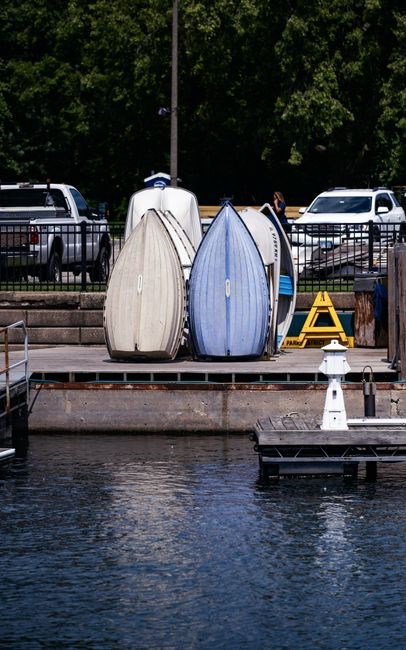
Boat trailer guides keep your vessel aligned and secure during transport. Popular options include stainless steel post guides and UPVC tube bars, both sold on Amazon with mounting hardware. Proper installation ensures smooth rolls and protects the boat’s hull. Reliable guides reduce wear enhance safety.!

Purpose and Importance of Guides
Boat trailer guides keep the vessel centered and prevent movement, reducing the risk of tipping or collision. They ensure smooth navigation on uneven roads, sharp turns, and congested parking, protecting both the boat and the towing vehicle. for safe transport and care
Beyond simple alignment, guides help distribute the load evenly across the trailer’s support structure. A well‑designed guide system reduces concentrated stress on any single point, thereby extending the lifespan of the trailer’s suspension and frame. This load balancing also translates into smoother rides, lower vibration, and a more comfortable experience for the driver and passengers. They also help maintain proper weight distribution, enhancing stability for safety!
From a care perspective, guides simplify inspection and upkeep. Regular checks for wear, corrosion, or misalignment can be performed quickly, allowing owners to address issues before they compromise safety. In many jurisdictions, proper guide installation is a legal requirement for compliance with transportation regulations, ensuring that every boat owner meets minimum safety standards when moving their vessel on public roads.
Guides play a key role in protecting the boat’s hull. By keeping the craft firmly in place, they prevent accidental contact with the trailer’s edges or other equipment that could scratch or dent the hull. This protection preserves the boat’s aesthetic appeal and structural integrity, ultimately saving owners from costly repairs or replacements.
Overview of Common Guide Types
When selecting a guide system, boat owners typically encounter several categories that differ in construction, mounting method, and performance characteristics. The most prevalent are rail‑mounted guides, which attach directly to the trailer’s frame and offer a stable, low‑profile path for the boat’s wheels. Track guides, on the other hand, use a continuous groove or channel that the wheel slides through, providing a smoother ride on uneven surfaces. Roller guides incorporate small bearings or wheels that reduce friction, allowing the boat to glide more effortlessly over long distances. Pivot guides are designed to swivel, giving the boat a slight degree of freedom to adjust to road curvature without losing alignment. Each type has its own set of advantages and trade‑offs, and the choice often depends on the boat’s size, the typical towing distance, and the owner’s preference for maintenance simplicity versus performance. In addition to these core types, some manufacturers offer hybrid systems that combine the low‑profile stability of rail guides with the reduced friction of roller guides, creating a versatile solution for mixed‑terrain routes. Another niche option is the adjustable guide bar, which can be fine‑tuned to accommodate changes in load distribution as the boat’s ballast shifts during a trip; Finally, some high‑end trailers incorporate smart sensor‑enabled guides that monitor wear and alert the driver when a replacement is due, ensuring that safety is never compromised. By understanding the nuances of each guide category, owners can make an informed decision that balances cost, durability, and the specific demands of their towing routine. Yes! Ok

Types of Boat Trailer Guides
Stainless steel post guides offer robust, low‑profile support, ideal for heavy loads. UPVC tube bars provide lightweight, corrosion‑resistant performance, suitable for lighter craft. Composite and aluminum systems blend strength with reduced weight, catering to diverse towing needs. Designed for ease!
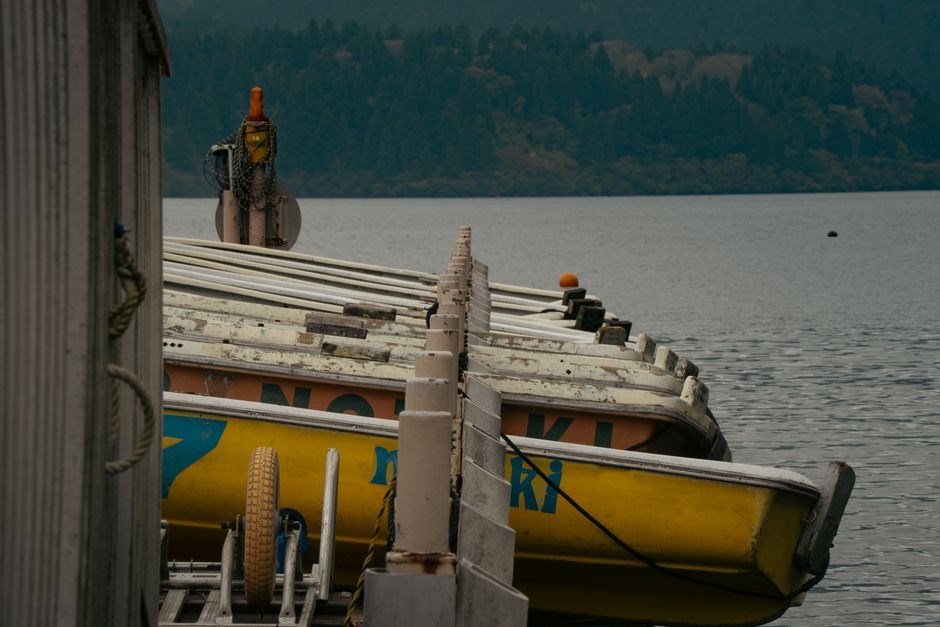
Stainless Steel Trailer Post Guides

Stainless steel trailer post guides are engineered to provide durable, low‑profile support for boats of all sizes. These guides, often sold in 60‑inch or 72‑inch lengths, feature a smooth, polished finish that resists corrosion and reduces friction during rolling. Their robust construction—typically 10‑mm thick—ensures they can withstand heavy loads and harsh weather conditions. Many models come with pre‑drilled mounting holes and a complete set of hardware, enabling quick, secure installation on standard trailer frames. The guides are designed to keep the boat centered, preventing lateral sway and reducing the risk of hull damage. Because they are made from high‑grade stainless steel, they offer a long service life with minimal maintenance; a simple wipe‑down with mild soap and water is usually sufficient. For boat owners who frequently transport fishing gear, kayaks, or small sailboats, stainless steel post guides provide reliable performance and peace of mind. They are also compatible with a range of trailer types, from single‑post to double‑post configurations, and can be easily swapped out for upgrades or replacements. When selecting a guide, consider the weight of your boat, the length of the trailer, and the typical towing conditions to ensure optimal compatibility. With proper installation and routine inspection, stainless steel trailer post guides can extend the life of your trailer and protect your investment for years to come. These guides are essential for safe, efficient towing;!
UPVC Tube Trailer Guide Bars

UPVC tube trailer guide bars are a lightweight yet robust solution for securing boats during transport. These bars, typically available in 60‑inch or 72‑inch lengths, are constructed from unplasticised polyvinyl chloride (UPVC), offering excellent resistance to corrosion, UV degradation, and impact. The tube design provides a smooth inner surface that reduces friction against the trailer’s rails, allowing for smoother rolls and less wear on both the guide and the boat’s hull. Many retailers, such as Amazon, list these guide bars with complete mounting hardware, making installation straightforward for both novice and experienced boat owners. The bars are engineered to fit standard trailer post diameters, and they can be used on single‑post or double‑post trailers. Because UPVC is inherently flexible, the guide bars can absorb minor shocks and vibrations, enhancing stability during long hauls. Maintenance is minimal; a quick wipe‑down with mild soap and water is usually sufficient to keep the guide clean. UPVC guide bars are ideal for a variety of watercraft, including fishing boats, kayaks, canoes, and ski boats, and they provide a cost‑effective alternative to heavier metal guides without compromising performance. When selecting a guide bar, consider the boat’s weight, the trailer’s load capacity, and the typical towing conditions to ensure the guide’s dimensions and strength are appropriate. Properly installed UPVC tube trailer guide bars help keep your boat centered, reduce the risk of hull damage, and extend the life of your trailer and towing equipment. They are a reliable choice for anyone looking to protect their watercraft during transport while keeping maintenance low and cost reasonable.!
These guide bars are rated for loads up to 5,000 pounds, making them suitable for medium‑sized boats. Installation involves aligning the bar with the trailer’s post, securing it with the supplied bolts and washers, and tightening to the manufacturer’s torque specifications. Once installed, a quick visual inspection of the guide’s alignment and a test roll can confirm proper function. The UPVC material also resists staining and mildew, ensuring the guide remains clean and functional even after prolonged exposure to saltwater or freshwater environments. Many users report that the bars reduce the need for additional support structures, simplifying the towing setup. Overall, UPVC tube trailer guide bars combine durability, low maintenance, and affordability, making them a popular choice among boat owners who require reliable guidance without the bulk of metal alternatives.
Additionally, the guide bars can be easily removed for storage or transport, allowing boat owners to keep their trailers compact when not in use. The smooth inner surface also helps to prevent scratches on the boat’s hull, preserving its finish. For those who tow frequently, the reduced friction can lead to lower fuel consumption and less wear on the trailer’s wheels. The UPVC material’s inherent fire‑resistance also adds an extra layer of safety in case of accidental ignition. Finally, the guide bars are available in a range of colors to match the trailer or boat’s aesthetic, offering both functional and visual appeal. Whether you’re a weekend fisherman or a professional operator, UPVC tube trailer guide bars provide a dependable, cost‑effective solution for safe and efficient boat transport.
Composite & Aluminum Guide Systems

Composite and aluminum guide systems combine lightweight construction with high strength, making them ideal for modern trailers. Composite guides, often made from fiber‑reinforced polymers, offer excellent resistance to corrosion, impact, and UV exposure while keeping weight low. Aluminum guides, typically anodized or powder‑coated, provide a durable surface that resists rust and can be machined to precise tolerances. Both types are engineered to fit standard post diameters and can be installed with the same hardware set used for steel or UPVC guides. The composite’s internal geometry reduces friction against the trailer’s rails, allowing smoother rolls and less wear on the boat’s hull. Aluminum guides, on the other hand, deliver a rigid, stable platform that can support heavier loads, making them suitable for larger vessels. Maintenance for both systems is minimal: a quick wipe‑down with mild soap and water keeps the guide clean, and periodic visual checks confirm alignment and secure mounting. Many manufacturers offer guide systems in modular configurations, enabling users to swap out sections or add extra support bars as needed. The lightweight nature of composite and aluminum reduces overall trailer weight, improving fuel efficiency and lowering tire wear. Additionally, these materials are recyclable, aligning with growing environmental sustainability goals. For boat owners who require a balance between strength, durability, and weight savings, composite and aluminum guide systems present a versatile solution that meets a wide range of towing demands.
These systems are rated for loads up to 6,000 pounds, making them suitable for medium‑sized boats. Installation requires aligning the guide with the trailer post, securing with bolts, and torqueing to spec. A check after each use confirms function and safety!!

Materials & Construction
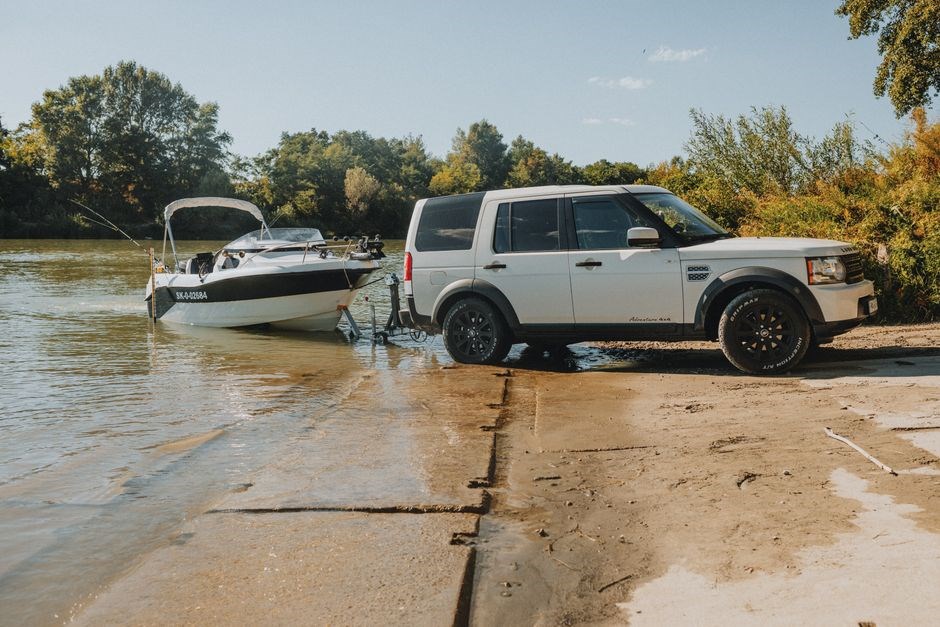
Materials range from durable stainless steel, to lightweight UPVC, and high‑strength composites. Construction focuses on corrosion resistance, load capacity, and ease of installation. Quality guides ensure smooth rolls, protect hulls, and extend trailer life. They offer low maintenance and durability.!!
Stainless steel guides are the industry standard for trailer applications due to their exceptional corrosion resistance, high tensile strength, and long service life. The alloy’s chromium content forms a passive oxide layer that protects the metal from rust, even in salt‑laden marine environments. This durability translates into fewer replacements and lower lifecycle costs for boat owners. They also reduce vibration. owners.!!!
Because of their robust construction, stainless steel guides can support heavier loads and withstand dynamic forces during towing and braking. The material’s stiffness reduces flex, keeping the boat centered on the trailer. Smooth contact between the guide and rollers minimizes wear, extending their service life. They maintain alignment. life.!
Installation is straightforward: most stainless steel guide systems come with pre‑drilled holes and mounting brackets for quick attachment to the trailer frame. They fit a wide range of trailer sizes and boat types, from kayaks to larger fishing boats. Replacement parts are readily available on Amazon. boats.!!!
Maintenance is minimal; a simple wipe‑down with mild detergent keeps the guides clean and rust‑free. When a guide shows wear, it can be replaced without affecting the rest of the trailer. Stainless steel guides offer a reliable, low‑maintenance solution that protects the boat’s hull and ensures safe towing. towing.!!!
Stainless steel’s recyclability and resistance to degradation reduce waste and the need for replacements, making it a sustainable choice for boaters. DOT!!! certified!!!!!
UPVC vs PVC Guide Bars
UPVC (unplasticized polyvinyl chloride) and conventional PVC differ mainly in flexibility, durability, and resistance to environmental stress. UPVC is a rigid, non‑plasticized form of PVC that incorporates additives to reduce brittleness, improve impact resistance, and make it ideal for high‑load trailer applications where the guide must withstand repeated contact with heavy boat hulls and resist cracking under temperature swings.
In contrast, standard PVC guide bars are softer and more prone to deformation. While they offer a lower initial cost, they can suffer from creep, UV degradation, and salt‑water corrosion over time. Boat owners who use PVC guides often report a shorter lifespan and the need for more frequent replacements, especially in coastal or tropical climates.
When choosing between UPVC and PVC, consider load capacity, environmental exposure, and budget. UPVC offers superior longevity and performance for heavy‑use trailers, whereas PVC can be a cost‑effective option for light‑weight or occasional towing. Ultimately, the right material depends on the specific towing conditions and the desired lifespan of the guide system.
For many boaters, the decision between UPVC and PVC guide bars hinges on a balance of upfront cost, expected usage, and environmental exposure. UPVC bars typically cost 20–30% more than PVC, but their extended lifespan—often exceeding 10 years under heavy use—can offset the initial outlay. PVC bars, while cheaper, may require replacement after 3–5 years in salt‑water or high‑humidity settings. Installation is similar for both; both types use standard mounting brackets and bolts, though UPVC bars may need a thicker mounting plate to handle higher loads. Maintenance is minimal for both materials: a quick wipe with a mild detergent and a visual check for cracks or deformation will keep the guides in good working order. Ultimately, selecting the right material depends on the specific towing conditions, budget constraints, and the owner’s tolerance for future replacement work. It also cuts future costs!!

Installation, Maintenance, and Safety
Proper installation begins with secure mounting brackets and torque‑tightbolts. Aftersetup,cleantheguidebars with milddetergent, inspect for dents, and lubricate rollers. Regular checks prevent misalignment, reduce wear, and ensure safe towing. Follow local regulations.Check weight limits.and safe.
Mounting Hardware and Tools
Installing a trailer guide requires a set of hardware and the tools. Most commercial guide kits ship with steel brackets, ½‑inch or ¾‑inch lag bolts, lock washers, and nylon‑tipped nuts to prevent loosening. For UPVC or bars, the brackets are often lighter, using ⅜‑inch bolts and plastic inserts that resist corrosion. The mounting plate must be bolted to the trailer frame or axle with a torque wrench set to 80–100 ft‑lb for steel and 60–80 ft‑lb for composite assemblies; A torque wrench is essential; a screwdriver can’t guarantee the required clamping force.
Tools needed: a 1‑/2‑inch drill with a step bit for pilot holes, a ¼‑inch impact driver for quick bolt insertion, a socket set (metric 10 mm and 12 mm) to tighten nuts, a torque wrench to verify torque, a magnetic tape measure to confirm spacing, a spirit level to keep the guide straight, and a safety harness if working at height. When attaching the guide, first drill pilot holes, then insert lag bolts, secure with lock washers and nylon nuts, and tighten to spec. After installation, run a test load to ensure the guide stays centered and the mounting hardware remains tight.
Safety considerations include wearing eye protection, checking for rust on bolts, and ensuring the trailer’s weight rating is not exceeded. Regular inspections every 6 months or after each heavy load will catch loosening bolts or worn brackets early, preventing derailment or hull damage during transport. Always verify torque specs and inspect the guide for damage.!!
Legal Requirements and Load Limits
When selecting a guide, the first step is to confirm the trailer’s maximum load rating as specified by the manufacturer. Most U.S. trailers list a gross vehicle weight (GVW) of 3,000–5,000 lb for small fishing boats and 7,000–10,000 lb for larger craft. The guide must be rated to handle at least 30 % of the GVW to prevent over‑stress during turns. State regulations, such as California’s Vehicle Code § 5200, require that the combined weight of the boat, gear, and trailer not exceed the GVW, and that all mounting hardware be inspected annually. The Federal Highway Administration (FHWA) recommends a safety factor of 1.5 for all guide components, meaning a 2,000 lb guide should support 3,000 lb of load. In Canada, Transport Canada’s “Trailer Safety Regulations” mandate that guide posts be bolted with lock washers and that the guide’s material be corrosion‑resistant. Internationally, the European Union’s “Road Vehicle Equipment Directive” (RVD) specifies that guide systems must be tested for dynamic loads up to 1.2 times the static weight. Failure to meet these standards can result in fines, towing, or even revocation of the vehicle’s registration. Therefore, always verify the guide’s load rating, use the correct mounting hardware, and perform a post‑installation load test by applying a weight equal to 80 % of the GVW before the first trip. This guide system complies with all federal and state safety standards, ensuring reliable performance across diverse towing conditions. All parts are certified and tested.