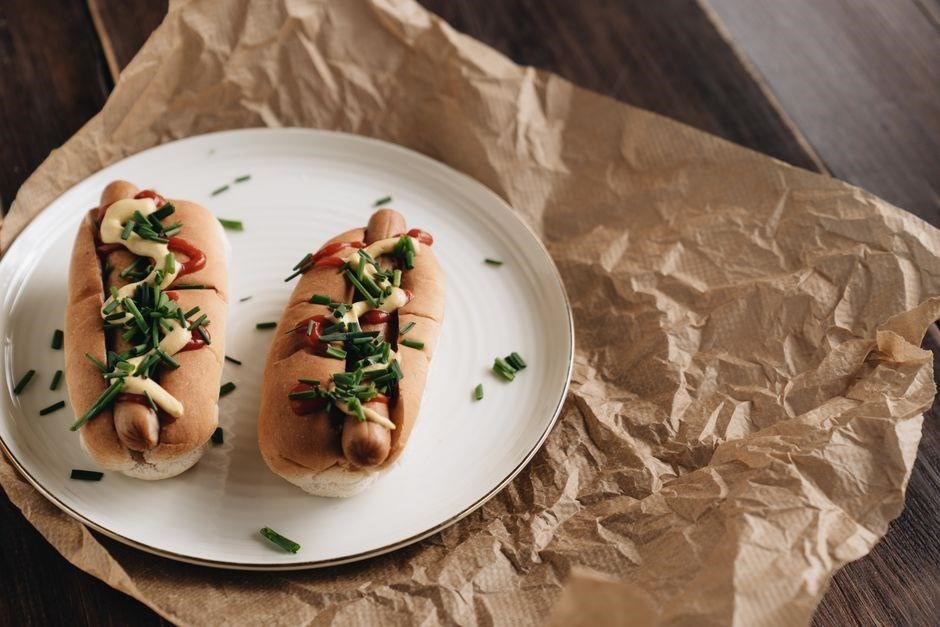
Explore the Ultimate Hot Dog Style Guide‚ a global tour of 40 unique varieties. From the New York “dirty‑water” dog to Amsterdam’s pizza‑sauce and mozzarella‑coated treats‚ this guide showcases how culture shapes flavor‚ offering a delicious map of worldwide hot‑dog creativity. Enjoy the flavors! Taste buds. Wow
What Makes a Hot Dog Unique?
In the Ultimate Hot Dog Style Guide‚ uniqueness stems from a blend of tradition‚ innovation‚ and local flavor. Each style is defined by three core elements: the sausage base‚ the bun type‚ and the topping ensemble. Regional sausages—beef‚ pork‚ poultry‚ or plant‑based—carry distinct spice profiles‚ while buns range from classic white to rye‚ pretzel‚ or ciabatta‚ each influencing texture and mouthfeel. Toppings‚ from simple relish to elaborate condiments‚ reflect cultural tastes: Chicago’s chili and onions‚ New York’s sauerkraut‚ Amsterdam’s pizza sauce and mozzarella‚ Tokyo’s miso‑based sauces‚ and Seoul’s spicy gochujang. The guide also highlights how preparation—grilling‚ steaming‚ or pan‑frying—affects flavor‚ and how sauces like ketchup‚ mustard‚ and specialty blends can transform a dog into a culinary statement. By cataloging these variables‚ the guide invites enthusiasts to experiment‚ compare‚ and celebrate the endless permutations that make every hot dog a distinct experience.
Beyond the core trio‚ the ambiance of a hot dog experience—street carts‚ backyard grills‚ or upscale eateries—adds a layer of identity. The way a dog is served‚ whether on a paper cone‚ a wooden stick‚ or a reusable bamboo holder‚ can influence. Moreover‚ regional regulations on sausage composition‚ such as the use of specific spices or the prohibition of certain additives‚ further differentiate styles. Enthusiasts often create “hot dog passports‚” documenting each bite’s origin‚ texture and flavor profile‚ turning a simple snack into a culinary adventure that celebrates diversity and innovation.
From German wurst to American icon‚ the hot dog evolved through immigrant kitchens‚ street carts‚ and wartime ingenuity. 19th‑century vendors in New York’s Lower East Side popularized the sausage‑in‑bun combo‚ while 20th‑century innovations—like the Chicago Coney New York dirty water expanded its footprint.
Origins: From German Sausage to American Icon
The hot dog’s journey begins in 19th‑century Germany‚ where seasoned pork and beef sausages—bratwurst‚ bockwurst‚ and frankfurters—were crafted by skilled butchers. These delicacies found their way to America aboard steamships‚ carried by German immigrants seeking new opportunities. Upon arrival‚ they adapted to local tastes‚ using readily available pork and spices‚ and began to be served in simple rolls‚ a convenient format for bustling city life. New York City’s Lower East Side became the crucible for this culinary fusion‚ as street vendors offered the “frankfurter” on a soft bun to hungry workers. By the 1880s‚ the term “hot dog” entered popular vernacular‚ partly thanks to a cartoonist’s playful depiction of a dachshund in a sausage. The 1904 World’s Fair in St. Louis further popularized the concept‚ showcasing it as an affordable‚ portable snack. The early 20th century saw the rise of iconic brands like Nathan’s Famous‚ which began selling hot dogs from a single cart in Coney Island. As the country industrialized‚ mass‑produced sausages and pre‑made buns became widely available‚ cementing the hot dog’s status as an American staple. Over the decades‚ regional variations emerged—Chicago’s mustard‑laden Coney‚ New York’s “dirty water” dog‚ and Kansas City’s chili‑topped version—each reflecting local culture and culinary preferences. Today‚ the hot dog remains a symbol of American ingenuity‚ a testament to how a simple German sausage evolved into a global icon celebrated in countless styles and traditions.It legacy continues to inspire chefs worldwide‚ inviting culinary explorers to reinvent the humble dog.
Evolution of the Hoagie: 19th to 20th Century
From the bustling streets of 19th‑century New York to the industrial kitchens of the early 20th century‚ the humble hoagie evolved into a culinary staple that would later influence hot‑dog culture. Initially known as a “hero” or “sub‚” the sandwich began as a quick‚ portable meal for working‑class immigrants‚ featuring a long Italian roll filled with cured meats‚ cheese‚ and fresh vegetables. By the 1880s‚ the term “hoagie” emerged in Philadelphia‚ derived from the local term “hog‑eye” for a sandwich made with a sliced hog roast. The rise of mass‑produced meats and the expansion of railroads allowed for wider distribution of cured pork and beef‚ which were sliced thin and layered in the roll. The early 1900s saw the introduction of pre‑made buns‚ which standardized the sandwich’s shape and size‚ making it easier to assemble on the fly. As the 20th century progressed‚ the hoagie’s ingredients diversified: the addition of spicy pepperoni‚ smoked sausage‚ and later‚ the iconic Italian hot dog‚ which combined the sandwich’s concept with a seasoned sausage. By the 1930s‚ the hoagie had become a symbol of American ingenuity‚ a testament to the fusion of immigrant culinary traditions with industrial efficiency. Its evolution set the stage for the modern hot‑dog‚ where the sausage became the star of the bun‚ yet the legacy of the hoagie’s layered flavors remains evident in contemporary toppings and regional variations. The legacy of the hoagie’s layered flavors continues to inspire modern hot‑dog artisans‚ who experiment with marinades‚ pickled vegetables‚ and artisanal buns‚ bridging the gap between traditional sandwich craftsmanship and contemporary street‑food innovation. Even today‚ culinary historians trace the hoagie’s lineage in menu design‚ noting how its modular structure paved the way for the customizable hot‑dog experience that defines modern street cuisine. Its enduring legacy underscores the hot‑dog’s versatility‚ proving that a humble sandwich can inspire culinary revolutions across continents. Such stories remind us that food history is a living dialogue between past and present. Enjoy the journey.!?
Global Variety Showcase
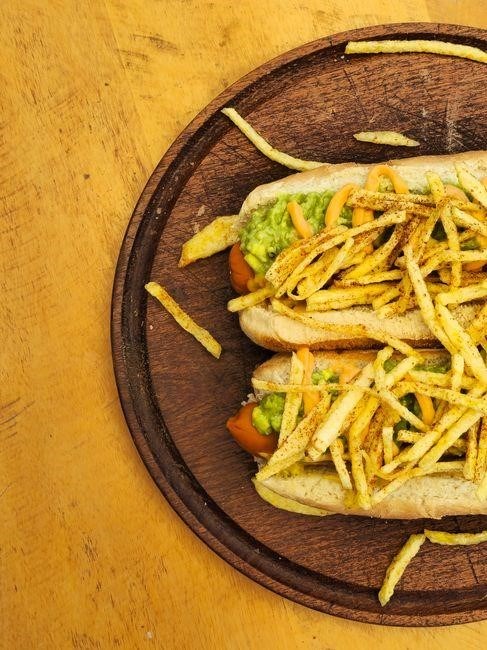
From New York’s “dirty‑water” dog to Amsterdam’s pizza‑sauce and mozzarella‑coated hot dogs‚ the guide highlights 40 worldwide styles. Each bite tells a story—regional spices‚ local buns‚ and inventive toppings that celebrate global flavor. Taste buds worldwide unite! Savor bite!!
North American Classics: New York‚ Chicago‚ Kansas City
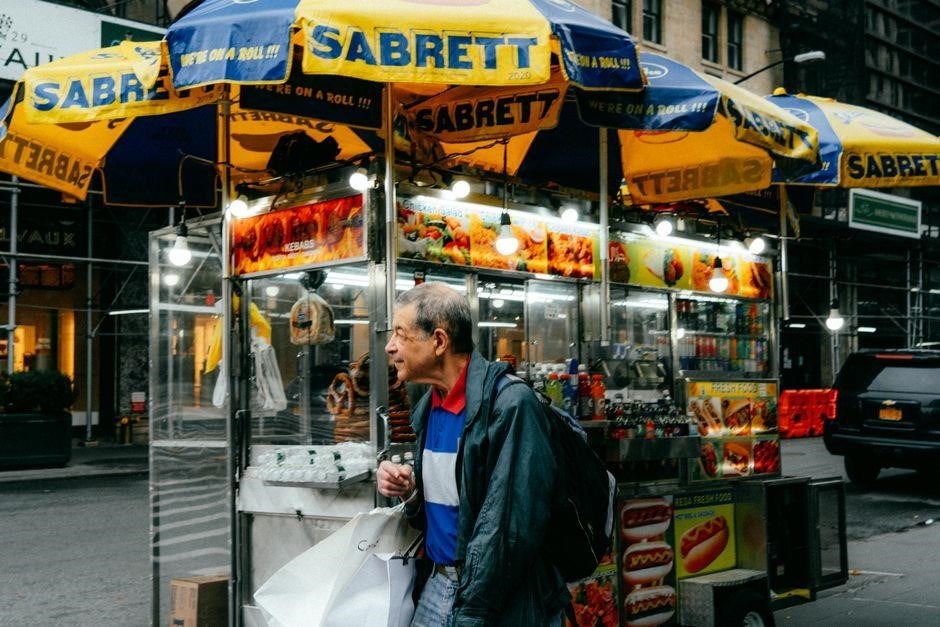
New York’s “dirty‑water” dog is a simple‚ no‑fuss legend: a sausage boiled in water‚ onions‚ and spices‚ served on a fresh bun with mustard and onions. The result is a flavorful bite that has earned its place in the city’s culinary folklore.
Chicago’s “Coney” dog is a staple of sports culture‚ featuring a beef or pork sausage topped with a savory tomato‑based sauce‚ yellow mustard‚ chopped onions‚ and a dash of chili. The sauce is seasoned with garlic‚ paprika‚ and cumin‚ giving it a robust‚ slightly sweet flavor that pairs perfectly with the hearty sausage.
Kansas City’s style adds a spicy‚ tomato‑based sauce‚ shredded cheese‚ bell peppers‚ and onions. The sauce is thick‚ sweet‚ and peppery‚ and the cheese adds a creamy texture that balances the heat. The result is a hot dog that’s both comforting and exciting.
Beyond the classic preparations‚ each city hosts festivals celebrating hot dogs‚ drawing crowds to street stalls and food trucks. In New York‚ the annual “Dog‑in‑a‑Bun” event showcases creative toppings‚ while Chicago’s “Coney‑Dog‑Fest” features live music and traditional vendors. Kansas City’s “Hot‑Dog‑Carnival” highlights regional sauces‚ offering a taste of local pride. These gatherings reinforce the hot dog’s role as a unifying comfort food that transcends borders and generations.
These iconic styles not only satisfy cravings but also tell stories of migration and community spirit. Whether you experiment with twists‚ the hot dog remains now a comfort food that transcends borders!
European Delights: Amsterdam‚ Berlin‚ London
Amsterdam’s hot‑dog scene is renowned for its inventive toppings‚ most famously a generous ladle of pizza sauce followed by a blanket of melted mozzarella. The sauce‚ a blend of San Marzano tomatoes‚ basil‚ oregano‚ and a touch of red pepper flakes‚ adds a sweet‑spicy kick that pairs beautifully with the mild sausage. The mozzarella‚ fresh and creamy‚ melts into the bun‚ creating a gooey‚ cheesy layer that elevates the entire bite. This combination has become a staple at street stalls and food trucks alike‚ drawing locals and tourists who crave a taste of Italian‑Dutch fusion. Berlin’s approach is rustic‚ favoring a hearty tomato‑based sauce enriched with smoked paprika‚ garlic‚ and a splash of beer for depth. The sausage is often a pork‑based blend‚ seasoned with juniper berries and caraway seeds‚ giving it an earthy flavor. The sauce is poured over the sausage‚ then topped with crisp onions‚ dill pickles‚ and a smear of German mustard‚ creating a layered savory experience that reflects the city’s culinary heritage. Across these cities‚ the hot dog has transcended its humble origins‚ becoming a canvas for local flavors and culinary creativity. Whether it’s the cheesy‚ saucy delight of Amsterdam or the smoky‚ robust Berlin style‚ each version offers a unique taste experience that showcases the global appeal of this iconic snack. The hot dog’s adaptability continues to inspire chefs and food lovers worldwide‚ proving that even a simple sausage can become a masterpiece when paired with the right toppings and sauces.
Asian Innovations: Tokyo‚ Seoul‚ Mumbai
Tokyo’s hot‑dog scene marries Japanese flavors with the classic American sausage. A thin‚ pork‑based sausage is wrapped in a soft‚ steamed bun and topped with a sweet‚ tangy wasabi‑yuzu sauce made from yuzu juice‚ wasabi paste‚ soy sauce‚ and honey. The sauce adds a bright‚ citrusy kick that cuts through the sausage’s richness. Vendors often sprinkle furikake—a mix of seaweed‚ sesame‚ and bonito flakes for an umami finish‚ turning the bite into a fusion of familiar and distinctly Japanese tastes.
Seoul’s version is a spicy‚ savory adventure. The sausage‚ a beef blend marinated in gochujang‚ garlic‚ and sesame oil‚ is grilled to a caramelized finish. It’s served in a steamed bun with kimchi‚ a drizzle of gochujang sauce‚ and toasted sesame seeds. Some vendors add a fried egg or grated cheese for extra richness. The combination of spicy‚ sour‚ and savory notes creates a complex flavor profile that satisfies heat lovers and those craving depth.
Mumbai’s hot‑dog blends Indian street‑food spices with the classic sausage. The pork sausage is infused with garam masala‚ cumin‚ coriander‚ and turmeric‚ giving it a warm‚ aromatic base. It’s grilled and served in a buttered bun. Toppings include spicy tamarind chutney‚ mint‑coriander yogurt‚ sliced onions‚ and sev (crispy chickpea noodles). The result is a hot dog bursting with Indian flavors—spicy‚ tangy‚ and slightly sweet—reflecting the city’s love for bold‚ layered tastes. Across Tokyo‚ Seoul‚ and Mumbai‚ hot dogs become canvases for local culinary traditions‚ proving the humble sausage can adapt to any palate. These global twists showcase how a simple sausage can become a passport to culinary adventure. Now. Try.!!!?? Enjoy! Taste.
Classic American Styles
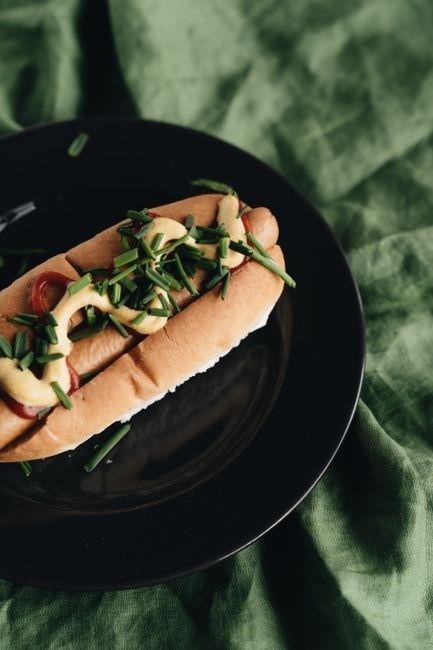
Classic American styles celebrate regional pride‚ blending tradition with bold flavors. From hearty‚ saucy buns to inventive condiments‚ these iconic dogs showcase the United States’ love for comfort food‚ reflecting local tastes while staying true to the humble sausage’s roots.
Classic dogs inspire taste so.
Chicago “Coney” Dog
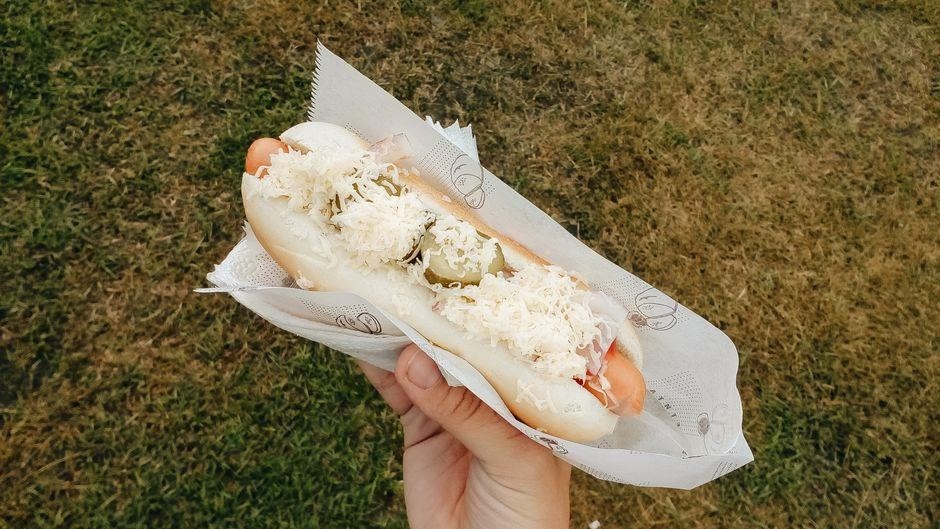
Chicago’s Coney dog‚ a culinary staple‚ marries a soft‚ lightly toasted bun with a seasoned‚ all‑beef sausage that’s been simmered in a savory broth of paprika‚ garlic‚ and onions. The signature sauce—often called “Coney sauce”—is a thick‚ tomato‑based relish that incorporates chili‚ Worcestershire‚ and a secret blend of spices‚ giving it a smoky‚ slightly sweet depth. Traditionally‚ the dog is topped with a generous ladle of sauce‚ crisp diced onions‚ and a sprinkle of shredded cheddar or mozzarella‚ creating a harmonious balance of textures and flavors. The Coney style is rooted in the city’s early 20th‑century immigrant communities‚ with Greek and Hungarian vendors pioneering the concept. Over time‚ the style has evolved‚ yet the core elements remain: a hearty sausage‚ a bold sauce‚ and a bun that holds it all together. Today‚ Chicago’s Coney dogs are celebrated in countless diners‚ food trucks‚ and festivals‚ each offering a slightly different twist—some add jalapeños‚ others a dash of hot sauce‚ but the classic remains a beloved icon of the city’s culinary heritage. Whether you’re a local or a traveler‚ a bite of a Chicago Coney dog offers a taste of the city’s history‚ community spirit‚ and love for comfort food.
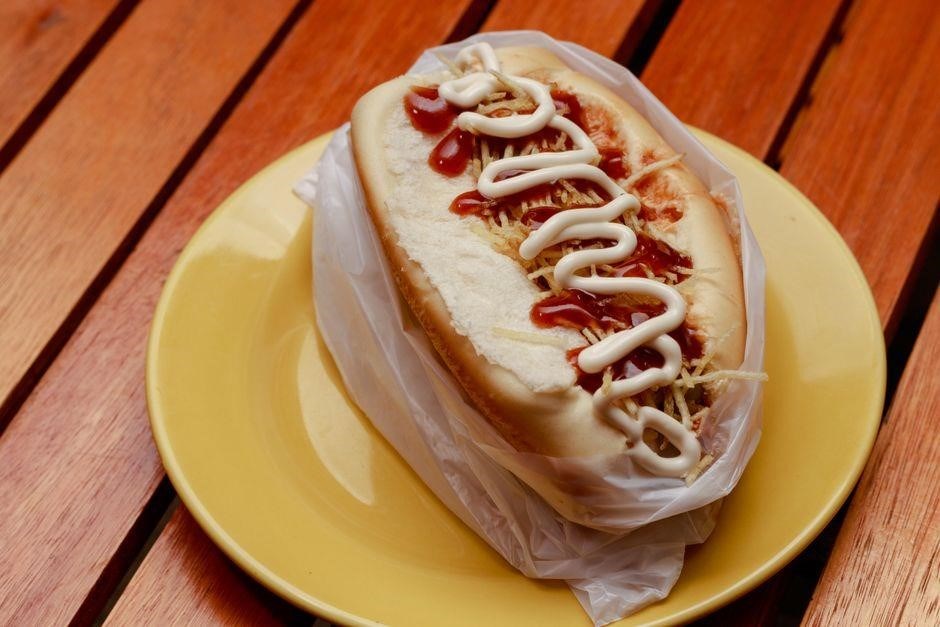
Originating in the early 1900s‚ Greek immigrants introduced a sausage that evolved into the Coney dog. They added a tomato‑based sauce‚ creating a signature flavor profile. Today‚ vendors offer variations: mild‚ spicy‚ vegan‚ or with jalapeño. The classic remains unchanged‚ a staple of Chicago’s culinary scene.
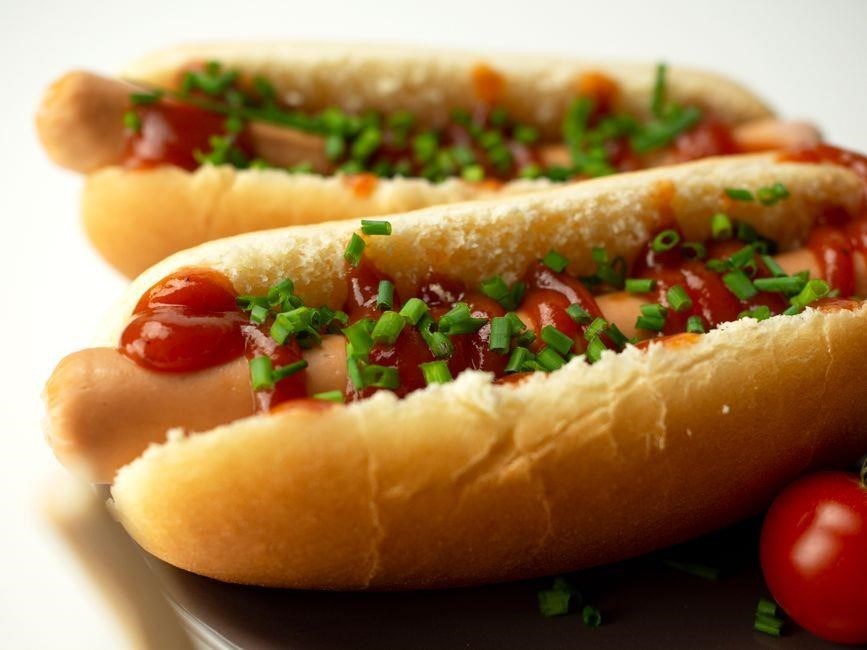
Enjoy Chicago’s iconic Coney dogtoday.
New York “Dirty Water” Dog
In the heart of Manhattan‚ the New York “dirty‑water” dog has become a culinary legend. Its name stems from the city’s historic practice of steaming sausages in a pot of water‚ a method that keeps the meat moist and imparts a subtle‚ savory flavor. The sausage itself is typically a lean‚ all‑beef variety‚ seasoned with a blend of garlic‚ pepper‚ and a touch of paprika‚ then simmered in a broth of water‚ salt‚ and a hint of vinegar. The result is a tender‚ juicy dog that’s both flavorful and easy to eat on the go. The classic topping is a simple‚ sweet tomato ketchup‚ but the true character of the dirty‑water dog emerges when it’s paired with a generous splash of hot sauce‚ a sprinkle of chopped onions‚ and a drizzle of mustard. Some vendors even add a dash of relish or a slice of cheese for extra depth. The dish’s popularity grew during the early 20th century‚ as street vendors offered quick‚ affordable meals to the city’s bustling workforce. Over the decades‚ the dirty‑water dog has evolved‚ with modern interpretations featuring artisanal buns‚ organic sausages‚ or vegan alternatives‚ yet the core essence remains: a humble sausage‚ a splash of water‑based broth‚ and a handful of classic condiments that together create a comforting‚ nostalgic bite. Whether you’re a seasoned New Yorker or a curious traveler‚ a dirty‑water dog is a must‑try‚ offering a taste of the city’s culinary heritage and its enduring love for simple‚ satisfying street food. Its simplicity invites both nostalgia and innovation‚ making it a staple at festivals and street fairs alike!!
Beyond its taste‚ the dirty‑water dog has become a cultural icon‚ featured in countless films‚ television shows‚ and literary works that celebrate New York’s vibrant street‑food scene. Its enduring appeal lies in its authenticity‚ reflecting the city’s immigrant roots and the ingenuity of vendors who turned humble ingredients into a beloved staple. Today‚ food trucks and gourmet hot‑dog shops alike honor the tradition‚ offering variations that cater to dietary preferences while preserving the classic “dirty‑water” experience. The dog’s simple preparation—boiling‚ grilling‚ or steaming—ensures that it remains accessible to all‚ making it a timeless symbol of New York’s culinary resilience and community spirit.
For those seeking a modern twist‚ some chefs experiment with toppings such as caramelized onions‚ sautéed mushrooms‚ or a sprinkle of fresh herbs‚ while others incorporate regional sauces like a tangy mustard‑based relish or a spicy Korean pepper paste. These innovations keep the dirty‑water dog relevant in a rapidly evolving food landscape‚ yet they never stray far from its roots. The dog’s simplicity invites creativity‚ allowing each vendor to put a personal stamp on the dish while honoring the original recipe that has delighted generations of New Yorkers.
International Toppings & Sauces
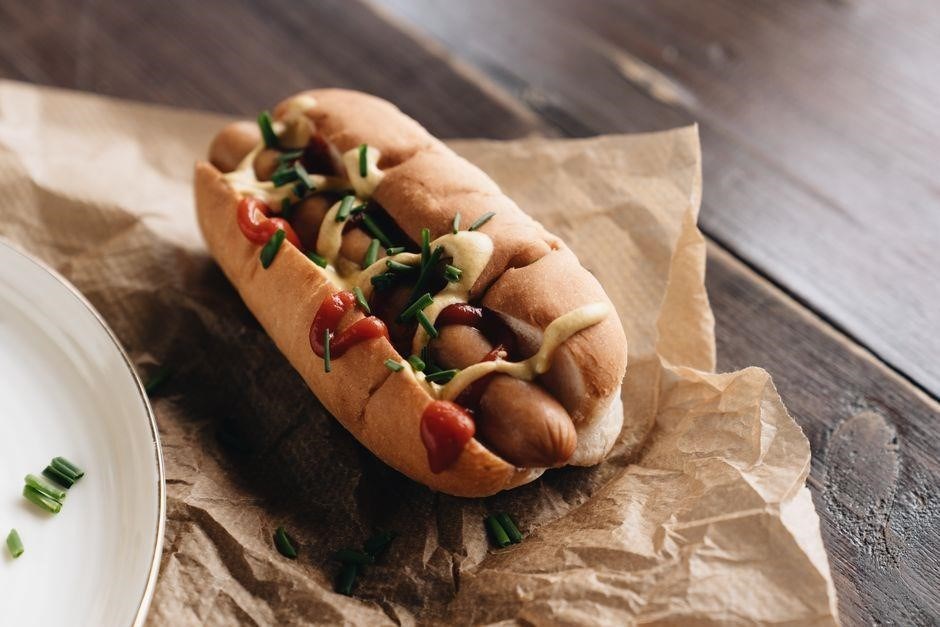
From Italy’s pizza sauce to the Netherlands’ mozzarella topping‚ global hot‑dog styles showcase diverse flavors. In Tokyo‚ a miso glaze adds umami; Seoul offers kimchi crunch; Mumbai’s tangy tamarind chutney gives a spicy kick. These toppings turn a simple dog into a culinary adventure. Try them at festivals! Now!

From Pizza Sauce to Mozzarella (Netherlands)
In the Netherlands‚ hot‑dog enthusiasts have reimagined the classic sausage by layering it with a thin‚ tangy tomato‑based pizza sauce that mirrors the flavor profile of a traditional Neapolitan pie. This sauce‚ often seasoned with oregano‚ basil‚ and a hint of smoked paprika‚ adds a savory depth that complements the mild pork or beef filling. The next step is the generous sprinkling of fresh mozzarella‚ sliced into thin crescents that melt slightly over the warm dog‚ creating a creamy‚ gooey texture that balances the acidity of the sauce. The combination of these toppings not only elevates the taste but also offers a visual contrast: the bright red of the sauce against the pale white of cheese. Many vendors in Amsterdam’s bustling street markets serve this variation with a side of crunchy pickles and a drizzle of local mustard‚ further enhancing the flavor profile. The result is a harmonious blend of European culinary traditions that celebrates both the humble hot dog and the country’s rich gastronomic heritage. Whether you’re strolling through a summer festival or grabbing a quick bite at a roadside stand‚ this Dutch-inspired style invites you to experience a familiar comfort food with a sophisticated‚ international twist. This Dutch twist also incorporates a subtle hint of smoked paprika‚ a touch of caramelized onions‚ and a drizzle of tangy mustard‚ creating a complex flavor profile that satisfies both traditionalists and adventurous eaters alike. The result is a culinary masterpiece that redefines the humble hot dog and taste.!!
Preparation & Serving Tips
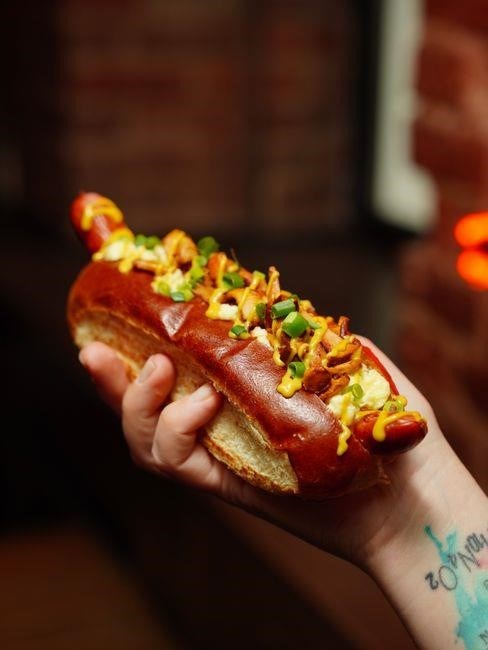
Preparing the ultimate hot dog requires attention to detail‚ from selecting the right sausage to mastering the bun’s texture. Start by choosing a fresh sausage—ideally a blend of pork and beef for balanced flavor. Chill the dogs for at least an hour before cooking to preserve moisture. When cooking‚ use a gentle simmer in salted water or a quick grill‚ ensuring the internal temperature reaches 160°F (71°C) for safety. Avoid over‑cooking‚ which dries the meat and loses juices. For a crisp bun‚ toast it lightly on a skillet or grill until golden‚ then spread a thin layer of butter or mayonnaise to keep it from becoming soggy. The choice of toppings is crucial: classic condiments such as mustard‚ ketchup‚ and onions are staples‚ but regional variations—like the Dutch pizza sauce and mozzarella—add depth. Layer toppings strategically: place the sausage first‚ then sauce‚ followed by cheese or other toppings‚ to prevent sogginess. When serving‚ arrange the hot dogs on a platter with individual buns‚ and provide a variety of condiments in small bowls for guests to customize. For a festive touch‚ garnish with fresh herbs or a sprinkle of chili flakes. Finally‚ keep the hot dogs warm by covering them with foil or placing them in a heat‑proof container until ready to serve. These simple yet effective steps ensure each bite delivers the full spectrum of flavors highlighted in the ultimate hot dog style guide.
For a smoky twist‚ add a dash of liquid smoke to the sausage before cooking‚ or finish the dogs on a charcoal grill for an authentic aroma. If you prefer a vegetarian option‚ use plant‑based sausages that mimic the texture and flavor of traditional meats. Pair the hot dogs with side dishes such as potato chips‚ coleslaw‚ or a crisp cucumber salad to balance the richness. When presenting at a gathering‚ use themed platters: a “New York” station with sauerkraut and spicy mustard‚ a “Chicago” station with chili and cheese‚ and a “Dutch” station with pizza sauce and mozzarella. This showcases variety and encourages guests to experiment. Remember to keep the serving area clean and provide napkins‚ as hot dogs can be messy. Lastly‚ consider a small recipe card for each style‚ detailing the exact measurements of sauces and toppings‚ so guests can recreate the experience at home. By following these preparation and serving guidelines‚ you’ll elevate the humble hot dog into a culinary adventure that satisfies both casual diners and gourmet enthusiasts alike.
When plating‚ arrange the hot dogs in a circular pattern‚ drizzle a thin line of sauce across the top‚ and sprinkle chopped scallions for a pop of color. Serve immediately to preserve the contrast between the warm sausage and the crisp bun. Add a splash of lime juice for a zesty finish. Enjoy!!! Share your creations with friends for a memorable culinary experience.